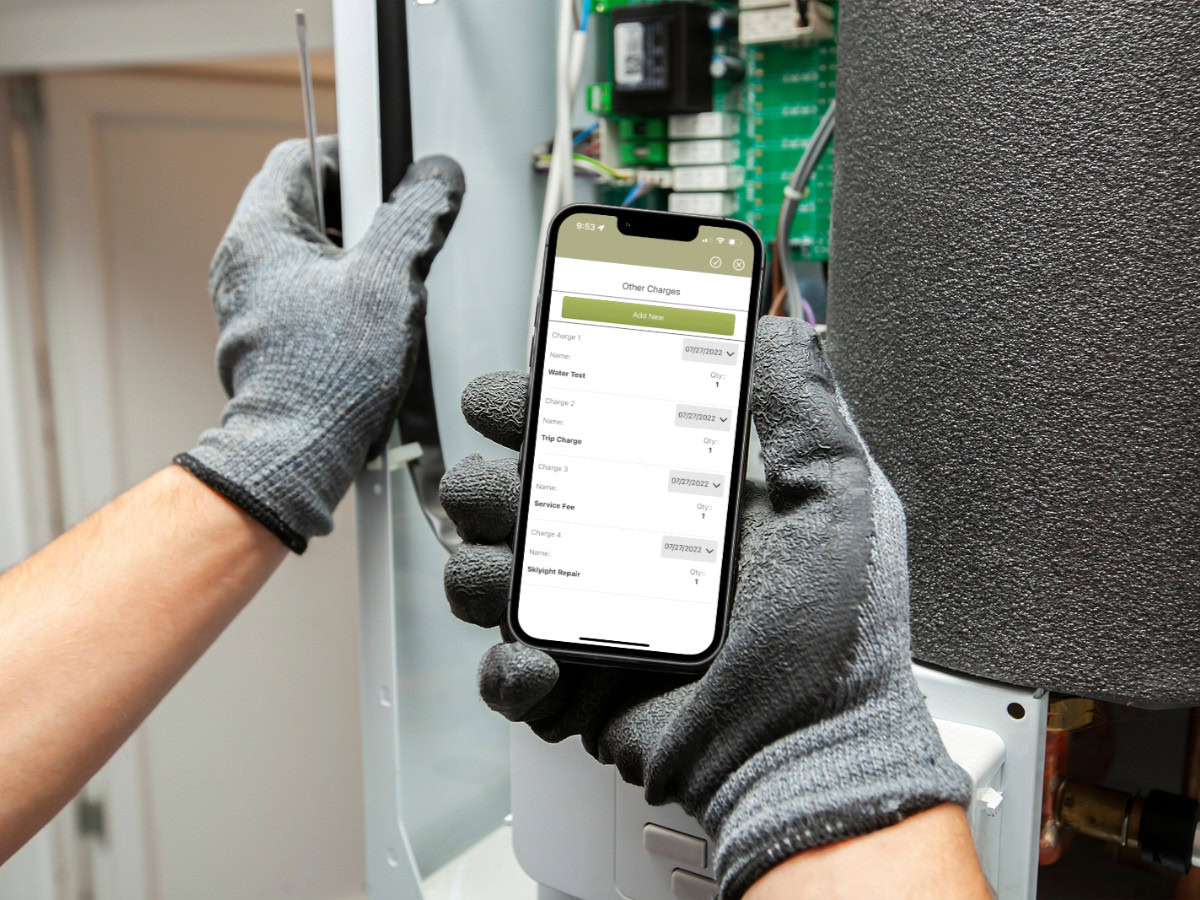
Construction project management software plays a critical role in helping contractors control costs, manage timelines, and improve overall performance across jobs. Tracking the right metrics inside your construction management software allows you to move beyond guesswork and make decisions based on real operational data. It’s time to examine five critical metrics that your construction management software should monitor, ensuring your projects remain on track, on schedule, and profitable.
1. Construction Job Costing Metrics That Protect Your Budget
Efficient budgeting is fundamental for any construction project. Construction job costing metrics empower contractors by providing detailed insights into cost allocation, making it easier to estimate project expenses accurately:
- Cost Variance Analysis: Identify discrepancies between projected and actual costs to address overspending immediately.
- Labor Cost Tracking: Monitor hours and wages to ensure labor budgets are maintained.
- Materials & Equipment Expenses: Assess spending on materials and equipment to avoid unnecessary expenses.
- Subcontractor Costs Management: Evaluate and control expenses related to subcontractor agreements.
2. Construction Project KPIs That Measure Real Progress
Tracking construction project KPIs is imperative for assessing project performance and progress. These indicators provide a clear picture of whether your project is managing productivity and efficiency effectively:
- Project Completion Rate: Measure the percentage of project tasks completed to gauge overall progress.
- Schedule Adherence: Compare planned timelines against actual progress to ensure timely project completion.
- Quality Control Metrics: Monitor rework rates and customer satisfaction scores to maintain quality standards.
- Safety Performance Indicators: Track incidents and safety compliance to enhance workplace safety.
3. Contractor Productivity Metrics That Improve Output
Contractor productivity metrics are essential in boosting the efficiency of your workforce and construction activities. These metrics highlight areas that require improvement for optimal performance:
- Workforce Productivity: Measure output relative to workforce inputs and identify bottlenecks.
- Equipment Utilization: Assess equipment usage rates to reduce idle times and maximize asset utilization.
- Task Completion Time Frames: Analyze the time taken to complete tasks to streamline operations.
- Team Collaboration Effectiveness: Evaluate communication and cooperation among team members.
4. Project Profitability Tracking That Drives Smarter Decisions
Ensuring a project’s profitability is vital to sustaining a construction business. Project profitability tracking enables contractors to monitor financial performance and make informed business decisions:
- Profit Margins: Analyze profit margins regularly to stay aware of profitability trends.
- Project Overhead Costs: Monitor indirect expenses to keep them within budgetary constraints.
- Cash Flow Analysis: Maintain positive cash flow to support ongoing and future projects.
5. Construction Scheduling Software Metrics That Keep Jobs On Track
Construction scheduling software is critical for managing project timelines and ensuring tasks are completed on schedule. Effective project timeline tracking aids in anticipating potential delays and optimizing workflow:
- Task Dependency Identification: Recognize and manage interconnected tasks, ensuring seamless execution.
- Milestone Tracking: Set and monitor milestones to ensure key phases are reached on schedule.
- Resource Allocation Planning: Optimize the use of labor, materials, and equipment to adhere to timelines.
- Delay Analysis & Mitigation: Conduct regular reviews of potential delays and implement strategies to mitigate them.
Turning Metrics Into Actionable Insights
Tracking construction performance metrics is most effective when insights are used to improve planning, execution, and accountability. When construction project management software, field service management software, and construction CRM software operate together, contractors gain a complete view of operations from the field to the office. Discover how the robust tools from Dataforma can transform your project management strategies and drive your company toward unparalleled success.